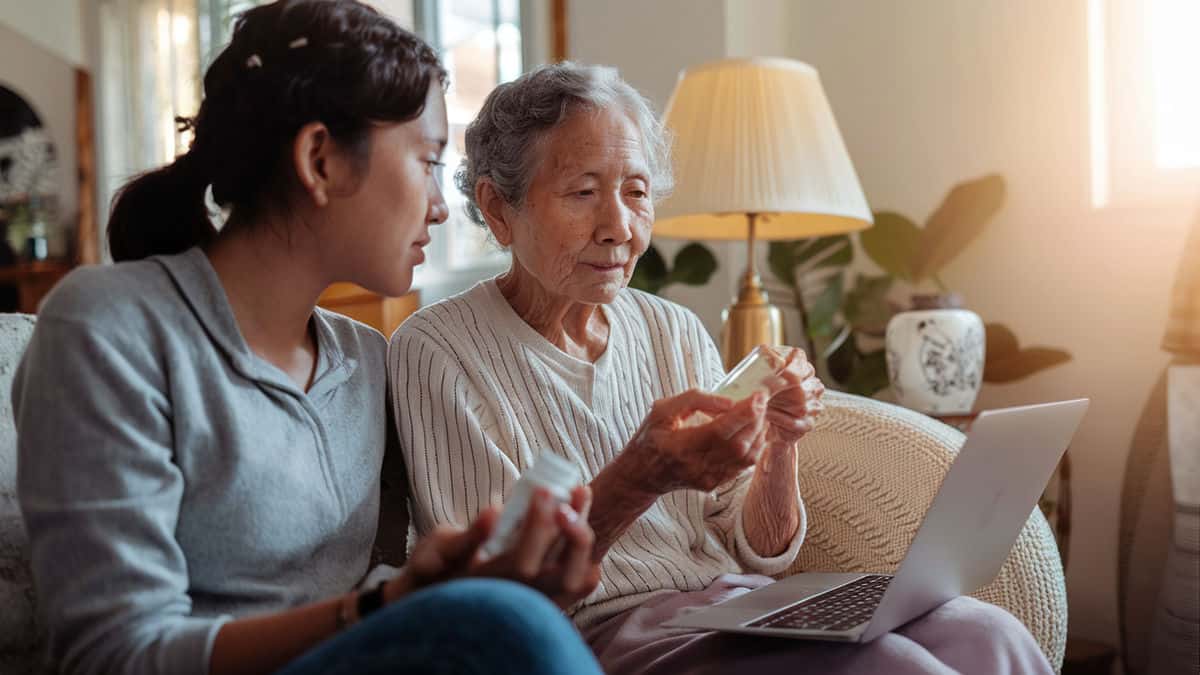
- 1 in 7 older adults juggle work, chronic illness, and caregiving.
- 45.24% of older caregivers work full-time.
- 33.99% of caregivers have two or more chronic conditions.
A recent study reveals the complex challenges faced by Singapore’s older adult caregivers, highlighting the urgent need for enhanced support systems.
Overview of the Research
In a recent article by SMU, a groundbreaking study has shed light on the growing number of older adults in Singapore who are taking on caregiving roles.
The research, conducted by the Singapore Management University (SMU) Centre for Research on Successful Ageing (ROSA), polled 7,692 Singapore residents aged 48 to 79 and their spouses in November 2024.
This study aims to examine caregiving patterns and physical well-being in Singapore.
The findings highlight a pressing need for workplace flexibility, health interventions, and better access to caregiving support.
Key Findings: Demographics of Caregivers
The study revealed some striking statistics about older caregivers in Singapore.
Nearly half (45.24%) of older caregivers were working full-time.
More than half (57.25%) of caregivers were women.
These numbers underscore the significant burden placed on older adults, especially women, who are balancing work and caregiving responsibilities.
Caregiving Responsibilities
The research uncovered the extensive nature of caregiving duties among older adults.
Almost 1 in 4 caregivers (23.35%) cared for more than one care recipient.
More than half (54.09%) of care recipients were 80 years old and above.
The study also found that:
- 66.09% of care recipients had age-related limitations
- 59.23% of caregivers managed finances for their recipients
- 44.07% arranged for external care services
- Nearly half (44.63%) provided daily care
- 39.45% lived with their care recipients
Health of Caregivers
The health status of caregivers themselves is a cause for concern.
One in three (33.99%) caregivers suffered from two or more chronic conditions.
Caregivers often neglected their own health, focusing on their care recipients instead.
This trend highlights the need for health interventions specifically targeted at older caregivers.
Awareness of Respite Care Services
The study revealed a significant gap in awareness and utilisation of support services.
Only 50.09% of caregivers were aware of respite care services.
Even more concerning, 82.83% of caregivers had never used respite care services.
This lack of awareness and utilisation suggests a need for better outreach and education about available support systems.
Policy Recommendations
Based on these findings, the study suggests several policy recommendations to support older caregivers.
“Future policies should emphasise a holistic caregiver support system, incorporating financial aid, workplace flexibility and health interventions to alleviate caregiver burdens and enhance their quality of life,” SMU reported.
Key recommendations include:
- Introducing caregiver financial literacy programs
- Implementing caregiver-friendly workplace policies
- Providing targeted financial assistance for low-income caregivers
- Expanding outreach programs to educate caregivers on support services
- Simplifying the process of caregiving support systems and subsidies
- Developing community-based respite care options
- Integrating caregiver health screenings into national health programs
The Importance of Support Systems
The study underscores the urgent need for enhanced support systems for older caregivers.
“The reality is that many older adults are not just care recipients – they are caregivers too, often working full-time while managing their own health issues. Yet, support structures haven’t caught up to this shift,” Professor Paulin Straughan, Director of ROSA, was quoted as saying by SMU.
This statement highlights the gap between the growing number of older adult caregivers and the lack of adequate support systems.
Do you think Singapore is doing enough to support older adult caregivers?