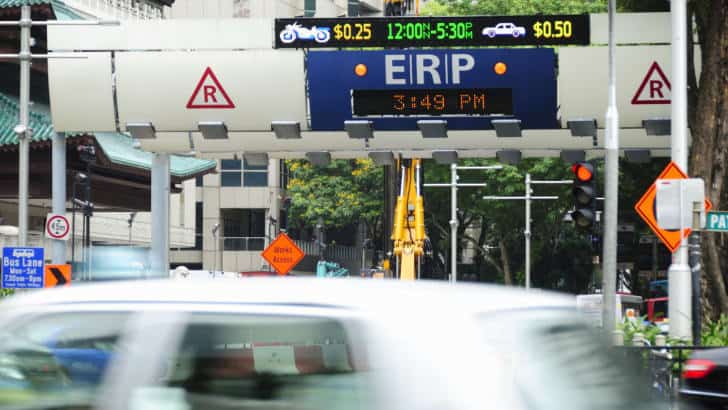
Higher ERP Rates in 3 Spots From 9 Sep 2024
Singapore drivers will pay higher Electronic Road Pricing charges at three expressway locations from 9 September 2024, with increases of up to S$1 during peak hours to manage traffic congestion.

KEY POINTS
IN SIMPLE TERMS
The government is raising the cost of driving through certain busy road sections during rush hour to reduce traffic jams. Three expressway spots will charge drivers an extra dollar during their busiest times, and drivers may need to adjust when they travel or switch to other transport options.
WHY IT MATTERS
WHERE DO YOU STAND?
Do you think raising ERP charges is the right way to reduce traffic congestion during rush hours?
👍 👎 Vote ↓Singapore drivers will face higher ERP charges at three busy spots starting 9 September 2024.
The Land Transport Authority (LTA) has reviewed Electronic Road Pricing (ERP) rates.
They found more traffic jams on some expressways in July 2024.
To fix this, they will change ERP rates at three places from 9 September 2024.
These changes will affect drivers during busy times.
| Location | Time | Old Rate | New Rate |
|---|---|---|---|
| AYE After Jurong Town Hall towards City | 7:30 AM – 8:00 AM | S$2.00 | S$3.00 |
| MCE Eastbound before exit to Central Boulevard & at slip road from Marina Boulevard (Set of 2 Gantries) | 6:30 PM – 7:00 PM | S$0.00 | S$1.00 |
| KPE (ECP) after Defu Flyover | 8:00 AM – 8:30 AM | S$3.00 | S$4.00 |
According to LTA, “Based on LTA’s monitoring of traffic conditions in July 2024, traffic has built up at various stretches of expressways.”
This means more cars are using these roads during busy times.
The new rates aim to reduce traffic jams.
They want to make travel smoother for everyone.
Drivers will pay S$1 more at these spots during peak hours.
This might make some people change when or how they travel.
Some might leave earlier or later to avoid higher charges.
Others might choose public transport instead.
Despite these increases, there are now fewer ERP charges (locations and timeslots) than before COVID-19.
Fewer places and times have active ERP charges now.
This is good news for many drivers in Singapore.
The LTA stated, “LTA will continue to monitor traffic speeds and congestion levels closely and assess if ERP rates need to be further adjusted.”
This means they will keep watching traffic patterns.
If needed, they might change ERP rates again in the future.
Their goal is to keep traffic moving smoothly on Singapore’s roads.
In other transport news, new ERP 2.0 units were launched last year with optional touchscreens.
These units offer more features and easier use for drivers.
They are part of Singapore’s ongoing efforts to improve its transport system.
The ERP rate changes might affect some people’s budgets.
Those who drive daily on these routes could spend more on travel.
It’s a good time to review your transport costs.
You might want to check fixed deposit rates to save money for future transport expenses.
These changes could impact businesses that rely on road transport.
Delivery companies might adjust their schedules or prices.
For more on how this affects the business world, check our business and finance section.
Remember, these ERP changes start on 9 September 2024. Plan your trips and budget accordingly to avoid surprises on the road.
Do you think raising ERP charges is the right way to reduce traffic congestion during rush hours?
Be the first to weigh in.